
Food is more than just fuel for the body—it is an experience that brings people together, celebrates cultures, and creates lasting memories. Whether you’re preparing a quick breakfast, a hearty lunch, or an elegant dinner, cooking at home allows you to enjoy fresh ingredients, customize flavors, and explore your creativity in the kitchen. Food recipes serve as valuable guides, helping both beginners and experienced cooks prepare delicious meals with confidence.
In today’s fast-paced world, many people are rediscovering the joy of home cooking. From healthy salads and comforting soups to flavorful curries and irresistible desserts, recipes make it easier to prepare meals that suit every taste and occasion. Cooking at home is not only economical but also healthier because you have complete control over the ingredients, portion sizes, and cooking methods.
Why Food Recipes Matter
Recipes provide step-by-step instructions that simplify the cooking process. They help ensure consistency, making it possible to recreate favorite dishes time and time again. Whether you’re following a family tradition or trying an international cuisine for the first time, a well-written recipe serves as a reliable roadmap.
Recipes also encourage experimentation. Once you understand the basics, you can adjust ingredients, spices, and cooking techniques to create your own signature dishes. This flexibility makes cooking an enjoyable and rewarding hobby.
Essential Ingredients for Every Kitchen
A well-stocked kitchen makes cooking easier and more enjoyable. Some basic ingredients include:
- Flour, rice, and pasta
- Cooking oil and butter
- Salt, pepper, and sugar
- Garlic, onions, and ginger
- Tomatoes and fresh vegetables
- Eggs and dairy products
- Herbs and spices such as cumin, turmeric, paprika, oregano, and basil
- Beans, lentils, and canned tomatoes
- Fresh fruits for snacks and desserts
Having these staples on hand allows you to prepare a wide variety of meals without making frequent trips to the grocery store.
Easy Breakfast Recipes
Breakfast is often called the most important meal of the day because it provides energy and nutrients to start the morning. Healthy breakfast options are simple to prepare and can keep you satisfied for hours.
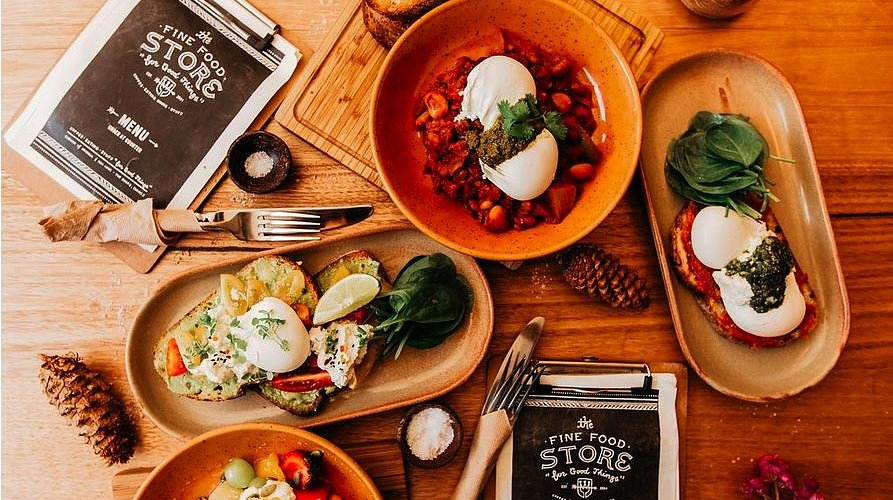
Popular breakfast ideas include oatmeal topped with fresh fruit, scrambled eggs with vegetables, yogurt with granola, avocado toast, pancakes, smoothies, and whole-grain sandwiches. These meals are rich in protein, fiber, and essential vitamins that support overall health.
For busy mornings, overnight oats and smoothie bowls are excellent make-ahead options that save time while providing balanced nutrition.
Healthy Lunch Ideas
Lunch should be nutritious enough to keep your energy levels high throughout the afternoon. Homemade lunches are often healthier than fast food because they contain less sodium, sugar, and unhealthy fats.
Grilled chicken salad, vegetable wraps, rice bowls, pasta salads, lentil soup, and quinoa dishes are excellent lunch choices. Adding lean protein, whole grains, and colorful vegetables creates a balanced meal that supports productivity and overall wellness.
Meal prepping lunches at the beginning of the week can save both time and money while encouraging healthier eating habits.
Flavorful Dinner Recipes
Dinner is often the main meal where families gather and enjoy quality time together. Home-cooked dinners can be both comforting and nutritious.
Popular dinner recipes include grilled fish with roasted vegetables, chicken curry with rice, baked pasta, vegetable stir-fry, homemade pizza, beef stew, and stuffed bell peppers. These meals provide an excellent balance of protein, carbohydrates, and healthy fats.
Using fresh herbs, spices, and seasonal vegetables enhances flavor without relying on excessive salt or processed ingredients.
Delicious Desserts
No meal feels complete without a sweet treat. Homemade desserts allow you to control sugar levels while experimenting with different flavors and textures.
Classic desserts include chocolate cake, brownies, fruit pies, cheesecake, cookies, pudding, ice cream, and fruit salads. Healthier alternatives such as yogurt parfaits, baked apples, chia pudding, and banana bread offer satisfying sweetness with added nutritional benefits.
Fresh berries, dark chocolate, nuts, and natural sweeteners can transform simple desserts into healthier options without sacrificing taste.
International Cuisine
One of the most exciting aspects of cooking is exploring recipes from around the world. Every culture has unique flavors, ingredients, and cooking traditions.
Italian cuisine features pasta, pizza, and risotto, while Mexican dishes are known for tacos, burritos, and fresh salsa. Indian recipes often include aromatic spices and rich curries, whereas Japanese cuisine emphasizes fresh seafood, rice, and sushi. Mediterranean cooking focuses on olive oil, vegetables, seafood, and herbs, making it both flavorful and heart-healthy.
Trying international recipes broadens your culinary skills and introduces your family to diverse tastes and traditions.
Tips for Successful Cooking
Preparing delicious meals becomes easier with a few simple cooking habits:
- Read the recipe completely before starting.
- Measure ingredients accurately.
- Prepare all ingredients before cooking.
- Taste food throughout the cooking process.
- Use fresh ingredients whenever possible.
- Keep your kitchen clean and organized.
- Avoid overcooking vegetables to preserve nutrients.
- Practice knife safety and proper food handling.
As your confidence grows, you’ll become more comfortable adapting recipes to suit your preferences.
Benefits of Cooking at Home
Home cooking offers many advantages beyond great taste. It promotes healthier eating by reducing processed foods and excessive sugar, salt, and unhealthy fats. Families who cook together often develop stronger relationships while teaching children valuable life skills.
Cooking at home is also budget-friendly. Preparing meals in larger portions allows for leftovers that can be enjoyed later, reducing food waste and grocery expenses.
Additionally, cooking can be a relaxing and creative activity. Trying new recipes, decorating desserts, or experimenting with spices provides a sense of accomplishment and enjoyment.
Healthy Eating Through Smart Recipes
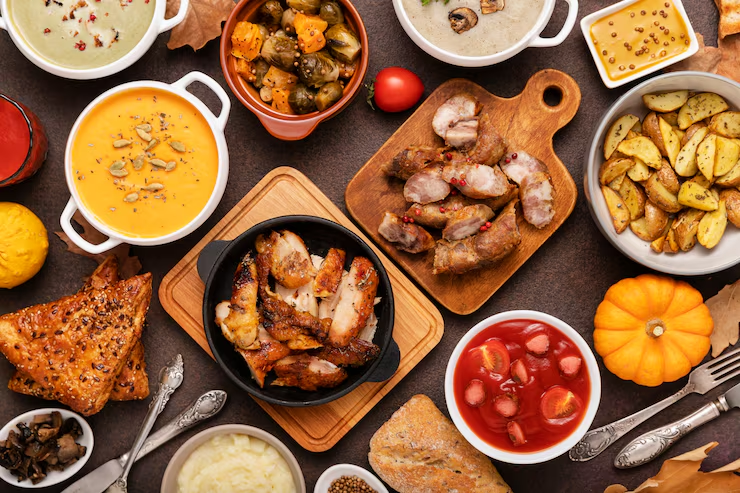
Healthy recipes don’t have to be bland or complicated. Small changes can significantly improve nutritional value. Replacing fried foods with baked or grilled alternatives, using whole grains instead of refined grains, reducing added sugar, and increasing vegetable portions are simple ways to create healthier meals.
Choosing seasonal produce also improves flavor while reducing grocery costs. Drinking plenty of water and practicing portion control further supports a balanced lifestyle.
Conclusion
Food recipes are much more than cooking instructions—they are gateways to creativity, culture, health, and family traditions. Whether you’re preparing a simple breakfast, an impressive dinner, or a delightful dessert, recipes make cooking enjoyable and accessible for everyone.
Home cooking allows you to create nutritious meals, explore international cuisines, and share meaningful moments with loved ones. As you continue experimenting with ingredients and techniques, you’ll gain confidence in the kitchen while developing your own unique cooking style.
The next time you’re looking for inspiration, choose a new recipe, gather fresh ingredients, and enjoy the rewarding experience of creating delicious homemade food. Every meal prepared with care brings comfort, satisfaction, and the opportunity to make lasting memories around the dining table.