
Sports have always played an important role in human society. They bring people together, promote healthy lifestyles, teach valuable life skills, and provide entertainment for millions around the world. Whether played professionally, competitively, or simply for fun, sports encourage physical fitness, mental strength, teamwork, and determination. From children playing in local parks to athletes competing on the world’s biggest stages, sports inspire people to challenge themselves and strive for excellence.
In today’s digital world, where many people spend hours using computers and smartphones, participating in sports is more important than ever. Regular physical activity helps prevent lifestyle-related diseases while improving emotional well-being and overall quality of life. Sports are not just about winning medals or trophies—they are about building character, developing discipline, and creating lifelong memories.
Why Sports Are Important
Sports contribute to every aspect of personal development. They improve physical fitness, strengthen mental health, and teach important social values. People who participate in sports often develop greater confidence, better communication skills, and stronger leadership qualities.
Sports also teach valuable lessons about commitment and perseverance. Athletes quickly learn that success requires dedication, patience, and continuous practice. Every training session helps improve performance, while every challenge provides an opportunity to grow stronger and wiser.
For children and teenagers, sports help develop responsibility, teamwork, and respect for others. These qualities remain useful throughout life, whether in education, careers, or personal relationships.
Physical Health Benefits
One of the biggest advantages of sports is improved physical health. Regular participation strengthens muscles, bones, and joints while increasing flexibility and endurance. Physical activity also improves heart health by enhancing blood circulation and reducing the risk of cardiovascular diseases.
Sports help maintain a healthy body weight and lower the chances of developing obesity, diabetes, and high blood pressure. Activities such as football, cricket, swimming, cycling, tennis, and running burn calories while improving stamina and overall fitness.
Children who participate in sports from an early age are more likely to develop lifelong healthy habits. Active lifestyles encourage better sleep, improved posture, and higher energy levels throughout the day.
Mental Health Benefits
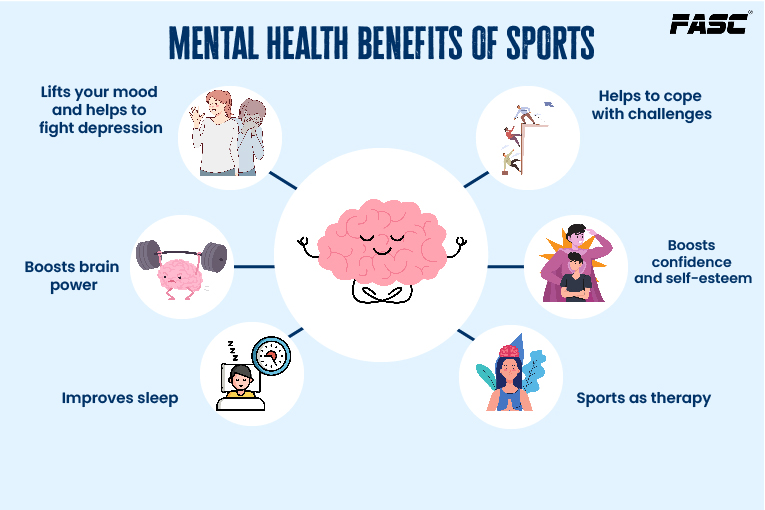
Sports benefit the mind as much as the body. Exercise stimulates the production of endorphins, which naturally improve mood and reduce stress. People who play sports regularly often experience lower levels of anxiety and depression.
Sports also improve concentration, decision-making, and problem-solving abilities. During competition, athletes must think quickly, adapt to changing situations, and remain focused under pressure. These mental skills are valuable in everyday life, including education and the workplace.
Participating in sports boosts self-confidence as individuals achieve goals, master new techniques, and overcome challenges. Even setbacks become valuable learning experiences that build resilience and emotional strength.
Teamwork and Leadership
Many sports require players to work together toward a shared objective. Team sports such as football, basketball, volleyball, hockey, and cricket teach cooperation, communication, and trust.
Every team member has a unique role that contributes to overall success. Players learn how to support one another, solve problems together, and celebrate achievements as a group. These experiences prepare individuals for future leadership roles in schools, businesses, and communities.
Even individual sports depend on teamwork behind the scenes. Coaches, trainers, medical staff, and family members all contribute to an athlete’s success, showing that collaboration is important in every field.
Popular Sports Around the World
Different countries have different sporting traditions, but several sports enjoy worldwide popularity.
Football remains the most widely played and watched sport globally. Its simple rules and exciting competitions make it accessible to people of all ages.
Cricket is especially popular in Pakistan, India, Australia, England, South Africa, Bangladesh, and New Zealand. International tournaments attract millions of passionate fans.
Basketball has become one of the fastest-growing sports, combining speed, teamwork, and athletic ability.
Tennis is admired for its combination of physical endurance, precision, and mental focus. Grand Slam tournaments showcase the highest level of competition.
Swimming is both a competitive sport and an excellent form of exercise that strengthens nearly every muscle in the body while improving cardiovascular fitness.
Athletics, including running, jumping, and throwing events, highlights the natural abilities of speed, strength, and endurance.

Sports in Education
Schools and colleges play a significant role in promoting sports among young people. Physical education classes encourage students to remain active while learning the importance of teamwork and fair competition.
Students who participate in sports often perform better academically because regular exercise improves concentration, memory, and time-management skills. Balancing studies with athletic activities teaches responsibility and organization.
Many educational institutions also offer scholarships to talented athletes, providing opportunities for higher education while supporting sporting excellence.
Technology and Modern Sports
Technology has revolutionized modern sports in many ways. Coaches now use video analysis to evaluate player performance and identify areas for improvement. Wearable fitness devices monitor heart rate, speed, distance, and recovery, allowing athletes to train more effectively.
Advanced equipment has improved safety and performance across many sports. Instant replay systems and technologies such as goal-line technology and video review help officials make more accurate decisions during competitions.
Fans also benefit from technology through live streaming, mobile applications, and real-time match statistics, making it easier than ever to follow their favorite teams and athletes.
Sportsmanship and Fair Play
True sportsmanship is about much more than winning. It involves respecting opponents, following the rules, accepting decisions with dignity, and competing honestly.
Fair play encourages integrity, humility, and respect for everyone involved in the game. Athletes who demonstrate good sportsmanship become positive role models for younger generations and help create a healthy sporting culture.
Learning to accept both victory and defeat gracefully teaches emotional maturity and resilience that extend beyond sports into everyday life.
Challenges in Modern Sports
Although sports provide many benefits, they also face several challenges. Doping, corruption, match-fixing, discrimination, and excessive commercial influence threaten the integrity of competition.
Athletes also face increasing pressure to perform at the highest level, making mental health support more important than ever. Sports organizations are working to provide better resources that help athletes maintain both physical and emotional well-being.
Another challenge is ensuring equal opportunities for women, people with disabilities, and individuals from disadvantaged backgrounds. Inclusive sports programs help make participation accessible to everyone regardless of gender, ability, or financial circumstances.
The Future of Sports
The future of sports continues to evolve with advances in science and technology. Artificial intelligence, virtual reality, and data analytics are changing how athletes train and how coaches develop strategies.
Esports has become a major form of competitive entertainment, attracting millions of viewers worldwide. At the same time, traditional sports continue to grow through international competitions, youth development programs, and increased global participation.
Environmental sustainability is also becoming an important focus, with many sporting organizations adopting eco-friendly stadiums, reducing waste, and promoting green initiatives during major events.
Conclusion
Sports are one of the most powerful tools for improving health, building character, and strengthening communities. They encourage physical fitness, mental resilience, teamwork, discipline, and respect while providing enjoyment for people of all ages.
Whether playing for fun, representing a school, or competing professionally, every athlete gains valuable life experiences through sports. As technology advances and opportunities continue to grow, sports will remain an essential part of society, inspiring future generations to stay active, work together, and pursue excellence both on and off the field.
By embracing sports as a lifelong habit, individuals can enjoy healthier lives, stronger relationships, and a deeper appreciation for the values of dedication, perseverance, and fair play.