
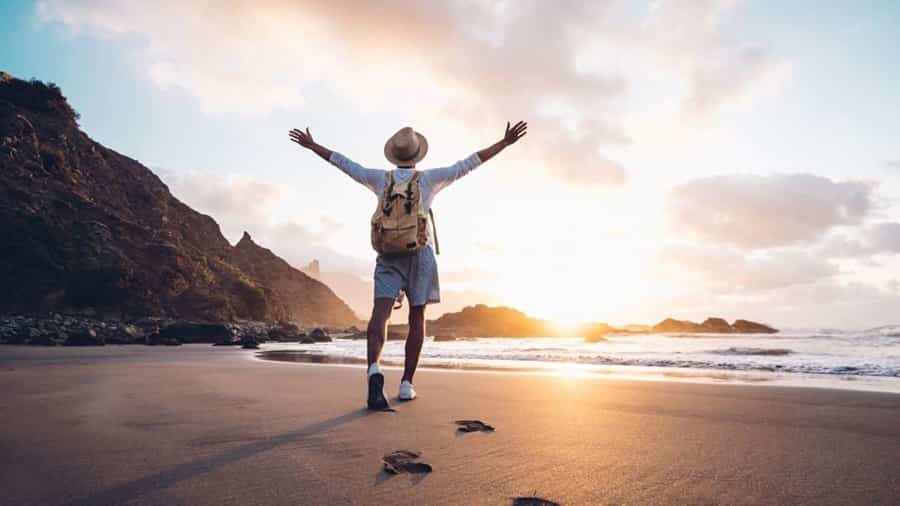
Travelling is one of the most enriching experiences a person can have. It offers the opportunity to discover new places, experience different cultures, meet people from diverse backgrounds, and create unforgettable memories. Whether it’s a weekend road trip, a relaxing beach vacation, an adventurous mountain trek, or an international tour, travelling broadens our perspectives and helps us appreciate the beauty and diversity of the world.
In today’s fast-paced lifestyle, travel has become more than just a luxury—it is a way to refresh the mind, reduce stress, and gain valuable life experiences. Modern transportation and technology have made exploring new destinations easier and more affordable than ever before. With careful planning and an open mind, anyone can enjoy the countless benefits that travelling has to offer.
Why Travelling Is Important
Travelling is much more than visiting famous landmarks or taking beautiful photographs. It is an opportunity to step outside your comfort zone and experience life from a different perspective. Every destination has its own history, traditions, language, cuisine, and customs that contribute to a richer understanding of the world.
Travel also encourages personal growth. Navigating unfamiliar places, solving unexpected challenges, and interacting with people from different cultures build confidence, independence, and adaptability. These skills are valuable not only during trips but also in everyday life.
Additionally, travelling helps people appreciate their own homes and cultures while developing greater respect and understanding for others.
Health Benefits of Travelling
Travelling can have a positive impact on both physical and mental health. Taking a break from daily routines helps reduce stress, anxiety, and burnout. Spending time in nature, exploring scenic landscapes, or relaxing by the sea promotes emotional well-being and mental relaxation.
Walking through cities, hiking in mountains, cycling, or participating in outdoor activities also improves physical fitness. Many travelers naturally become more active while sightseeing, helping them stay healthy during their trips.
Travel also stimulates the brain by exposing people to new environments, languages, and experiences. Learning about different cultures and navigating unfamiliar places keeps the mind engaged and curious.
Different Types of Travel
One of the greatest aspects of travelling is its variety. Every traveler has different interests, budgets, and goals, making it possible to choose experiences that match individual preferences.
Adventure Travel
Adventure travel is ideal for people who enjoy excitement and outdoor activities. Popular adventures include hiking, mountain climbing, camping, scuba diving, skiing, rafting, and wildlife safaris. These experiences often challenge both physical endurance and mental strength.
Cultural Travel
Cultural travel focuses on exploring history, traditions, architecture, museums, festivals, and local lifestyles. Visiting historical monuments, ancient cities, and cultural landmarks provides valuable insights into the heritage of different regions.
Beach Vacations
Beach destinations offer relaxation, sunshine, and water activities such as swimming, snorkeling, surfing, and boating. Many travelers choose coastal locations to escape busy routines and enjoy peaceful surroundings.
Nature Tourism
Nature lovers often travel to national parks, forests, mountains, waterfalls, deserts, and wildlife reserves. These destinations provide opportunities for photography, birdwatching, hiking, and appreciating the natural beauty of the environment.
Food Tourism
Many people travel specifically to experience local cuisine. Sampling traditional dishes, visiting food markets, and attending cooking classes allow travelers to discover authentic flavors while learning about regional culinary traditions.
Planning a Successful Trip
Good planning is essential for an enjoyable travel experience. Before leaving, travelers should research their destination, including weather conditions, transportation options, accommodation, local customs, and safety guidelines.
Creating a travel budget helps manage expenses effectively. Booking flights and hotels in advance often reduces costs and provides more accommodation choices. Travel insurance is also recommended, especially for international trips, as it offers financial protection during emergencies.
Packing wisely is equally important. Carrying comfortable clothing, essential medications, travel documents, chargers, and weather-appropriate items ensures a smoother journey without unnecessary stress.
The Importance of Responsible Tourism
Responsible travel benefits both visitors and local communities. Travelers should respect local traditions, dress appropriately when visiting cultural or religious sites, and support local businesses whenever possible.
Reducing plastic waste, conserving water, avoiding littering, and protecting wildlife help preserve natural environments for future generations. Choosing eco-friendly accommodations and transportation options also contributes to sustainable tourism.
Being respectful toward local people and learning a few basic words in the local language can create positive interactions and meaningful cultural exchanges.
Technology and Modern Travel
Technology has completely transformed the travel experience. Online booking platforms make it easy to compare flights, hotels, and tour packages. Mobile apps provide navigation, language translation, weather forecasts, and currency conversion, making travel more convenient than ever.
Travelers can now share experiences instantly through social media, inspiring others to explore new destinations. Digital maps, online reviews, and travel blogs help visitors make informed decisions about attractions, restaurants, and accommodations.
Virtual tours and artificial intelligence are also becoming increasingly popular, helping travelers plan personalized itineraries before beginning their journeys.
Budget Travel Tips
Travelling does not have to be expensive. Careful planning allows people to enjoy memorable experiences while staying within their budget.
Traveling during the off-season often results in lower prices for flights and hotels. Public transportation is usually more affordable than taxis, while local restaurants often provide authentic meals at reasonable prices.
Choosing budget accommodations such as guesthouses, hostels, or vacation rentals can significantly reduce expenses. Packing light also helps avoid extra baggage fees during air travel.
Creating a daily spending plan ensures that travelers enjoy their trip without overspending.
Famous Travel Destinations
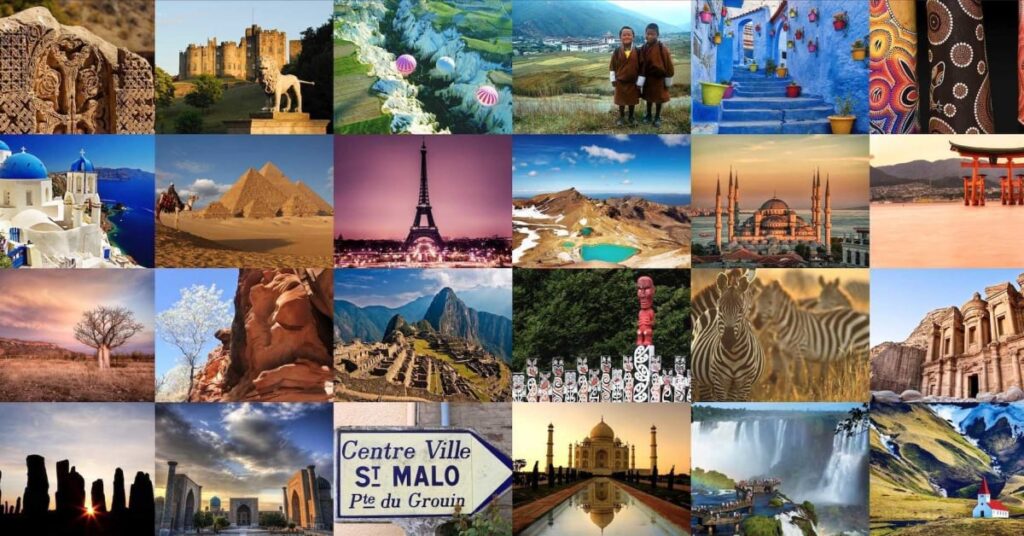
Every part of the world offers unique attractions for visitors. Some destinations are known for historical landmarks, while others attract travelers with natural beauty or vibrant city life.
Paris is famous for its art, architecture, and romantic atmosphere. Dubai attracts visitors with modern skyscrapers, luxury shopping, and desert adventures. Switzerland offers breathtaking mountains, lakes, and scenic train journeys. Japan combines ancient traditions with cutting-edge technology, while Italy is celebrated for its history, cuisine, and cultural heritage.
Countries such as Pakistan also offer incredible travel opportunities, including majestic mountain ranges, beautiful valleys, historical forts, deserts, and vibrant cultural festivals that attract both local and international tourists.
The Future of Travel
The travel industry continues to evolve with advancements in technology and changing traveler preferences. Sustainable tourism, eco-friendly accommodations, and personalized travel experiences are becoming increasingly popular.
Artificial intelligence is improving travel planning by offering customized recommendations based on individual interests. Contactless check-ins, digital boarding passes, and smart hotel services are making travel more efficient and convenient.
As global connectivity continues to improve, more people will have opportunities to explore destinations that were once difficult to access.
Conclusion
Travelling is one of life’s greatest adventures. It provides opportunities to learn, grow, relax, and connect with people from around the world. Every journey offers new experiences, whether discovering ancient civilizations, enjoying breathtaking natural landscapes, tasting local cuisine, or meeting friendly communities.
Beyond creating wonderful memories, travel teaches valuable lessons about diversity, resilience, and appreciation for different cultures. It encourages curiosity, broadens perspectives, and reminds us that the world is full of beauty waiting to be explored.
No matter the destination or budget, every trip has the potential to inspire personal growth and lifelong memories. By travelling responsibly, respecting local cultures, and embracing new experiences with an open mind, we can make every journey meaningful while helping preserve the world’s incredible destinations for future generations.